
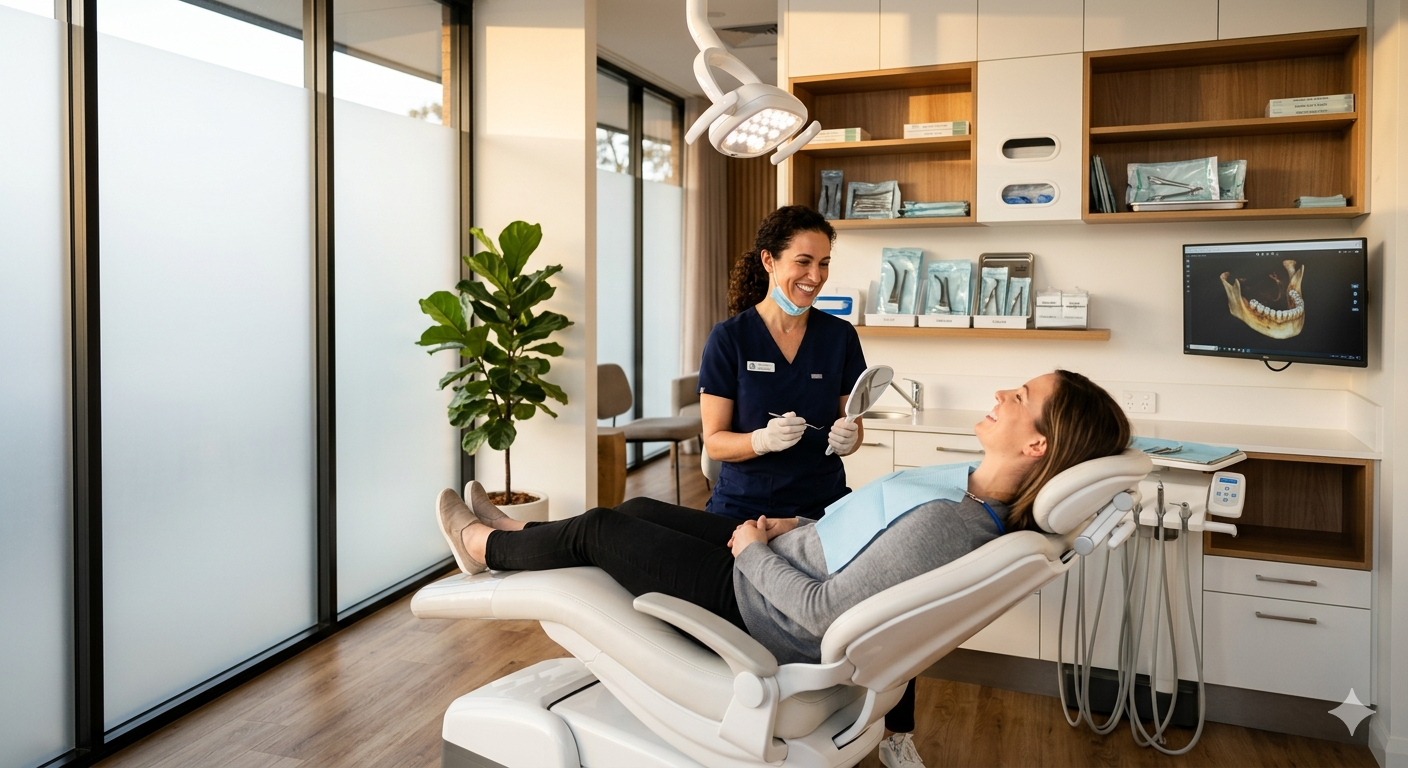
Dental implants in Costa Mesa, CA, offer a reliable solution for anyone dealing with missing or damaged teeth. They provide a stable, natural-looking replacement that helps restore both function and confidence. Many patients find that implants feel and work like their real teeth, making eating and speaking easier.
People often worry about discomfort or the complexity of the procedure, but modern dental implant treatments are designed to be as comfortable and straightforward as possible. The dentists in Costa Mesa use the latest technology to ensure precision and gentle care throughout the process.
If someone is considering dental implants, understanding the benefits and what to expect can make a significant difference. They should feel confident reaching out to local experts who prioritize their comfort and long-term oral health.
Understanding Dental Implants
Dental implants provide a stable, long-lasting solution for missing teeth by mimicking the natural tooth structure. They offer key advantages in comfort, function, and appearance compared to traditional tooth replacement methods. Knowing how they work, their benefits, and the types available helps patients make informed decisions.
How Implants Work
Dental implants are small titanium posts surgically placed into the jawbone. They act as artificial tooth roots, anchoring replacement teeth securely. Over time, the bone fuses with the implant in a process called osseointegration, creating a strong bond that supports chewing and speaking.
After healing, a custom crown, bridge, or denture attaches to the implant. This setup restores the look and function of natural teeth without relying on neighboring teeth for support. The surgical procedure is typically done under local anesthesia and requires minimal downtime.
Benefits Over Other Tooth Replacement Options
Implants offer several advantages that make them a preferred choice. Unlike dentures, implants don’t slip or cause discomfort. They also don’t require grinding down adjacent teeth like dental bridges do. This preserves natural tooth structure and jawbone health.
In addition to stability, implants help prevent bone loss by stimulating the jawbone, which keeps facial structure intact. They can last decades with proper care, often outlasting other options. Patients enjoy improved bite strength and clearer speech, boosting daily comfort and confidence.
Types of Dental Implants
There are primarily three implant types to consider:
- Endosteal Implants: The most common type, placed directly into the jawbone. These work well for most patients.
- Subperiosteal Implants: Positioned under the gum but above the jawbone, used when there isn’t enough bone for traditional implants.
- Zygomatic Implants: Anchored in the cheekbone, reserved for cases with severe upper jaw bone loss.
Each type is selected based on the patient’s bone structure, oral health, and treatment goals. A dentist will help determine the best fit for a successful outcome.
Ideal Candidates for Dental Implants
Not everyone is the perfect fit for dental implants right away. Several key factors, including oral health, bone strength, and overall medical conditions, need to be checked to ensure a successful implant procedure.
Assessing Your Oral Health
Good oral health is essential before getting dental implants. The gums should be free of active gum disease, as infections can compromise implant healing.
Patients with untreated cavities or severely damaged teeth may need additional dental work first. Healthy gums and enough space in the mouth allow for proper placement of the implant.
Regular dental cleanings and check-ups improve implant success rates by controlling plaque levels. Dentists evaluate the mouth carefully to identify problems that might hinder healing or implant stability.
Age and Bone Density Considerations
Adequate bone density is crucial because implants anchor directly into the jawbone. If the bone is too thin or weak, the implant may not hold securely.
Older adults often experience bone loss, which sometimes requires bone grafting before implants. Youth itself is not a limitation, but implants are usually postponed until jaw growth is complete.
A CT scan or X-ray helps evaluate jawbone quantity and quality. This step ensures proper planning and increases the chances of implant success.
Common Medical Factors
Certain health conditions can affect healing and implant integration. Diabetes, if uncontrolled, may slow down recovery and increase the risk of infection.
Smoking reduces blood flow and impairs gum tissue health, which can lead to implant failure. Patients are generally advised to quit smoking before and after the procedure.
Medications like blood thinners need careful management to avoid complications. Dentists will review medical history to tailor treatment and provide the safest care possible.
The Dental Implant Process Explained
Getting dental implants involves a few clear steps designed to restore both function and smile aesthetics. Each phase builds on the previous one, ensuring stability and comfort throughout treatment.
Initial Consultation and Planning
During the first visit, the dentist evaluates the patient’s overall oral health. This includes X-rays or 3D scans to assess jawbone density and identify the best implant placement.
The doctor also discusses medical history, lifestyle habits, and any concerns. A personalized treatment plan is created, covering the implant type, timeline, and costs.
Patient comfort at this stage is key, with clear explanations and answers to questions. This helps set realistic expectations and eases any anxiety about the procedure.
Surgical Placement Journey
The surgical phase begins with local anesthesia to keep the patient comfortable. The dentist then carefully inserts the titanium implant post into the jawbone.
This step requires precision to avoid nerves and sinuses. For some patients, additional procedures like bone grafting may be needed to support the implant.
The implant site is closed with sutures, and patients receive post-op care instructions. Pain and swelling are typically manageable with over-the-counter medication.
Healing and Integration Period
After surgery, the implant enters a healing phase called osseointegration. This is when the bone grows around the implant, securing it firmly in place.
Healing usually takes 3 to 6 months, depending on individual factors. During this time, regular check-ups monitor progress to prevent complications.
Once the implant integrates successfully, a custom abutment and crown are attached. This final step restores the function and appearance of the missing tooth.
Comfort and Care During Implant Treatment
Dental implant procedures in Costa Mesa focus heavily on patient comfort and careful post-treatment support. Attention to pain control, sedation choices, and clear aftercare instructions helps ensure a calm, manageable experience.
Modern Pain Management
Pain during and after implant placement is typically mild to moderate. Dentists use local anesthesia to numb the area completely before beginning, so patients don’t feel discomfort during the procedure.
After surgery, over-the-counter pain relievers like ibuprofen or acetaminophen are often enough to manage soreness. In some cases, stronger prescription pain medication may be provided for the first few days. Ice packs applied periodically can reduce swelling and ease discomfort as well. Patients should always follow their dentist’s dosing recommendations closely to avoid complications.
Sedation Options
For those feeling anxious or sensitive, several sedation methods are available. Nitrous oxide (laughing gas) is commonly used because it calms nerves without putting patients fully to sleep. It wears off quickly, allowing a fast recovery after treatment.
Oral sedation involves taking a pill that induces relaxation before the appointment. If deeper sedation is necessary, IV sedation or general anesthesia can be administered under professional supervision. The choice depends on patient preference, medical history, and the complexity of the implant surgery.
Aftercare Tips for a Smooth Recovery
Proper care after implant surgery helps prevent infection and speeds healing. Patients should avoid strenuous activity for 48 hours and keep the surgical site clean using gentle rinsing with salt water starting the day after surgery.
Eating soft foods and avoiding hot or spicy items also reduces irritation. It’s important not to smoke or use straws because suction can disturb the implant site. Follow-up visits allow the dentist to monitor healing and address any concerns early.
Key aftercare steps include:
- Taking prescribed or recommended medications on schedule
- Using cold compresses to manage swelling
- Maintaining good oral hygiene without disrupting the implant area
Sticking to these guidelines supports a comfortable recovery and long-term implant success.
What to Expect With Your New Smile
A dental implant in Costa Mesa offers a reliable way to restore missing teeth with care and precision. Patients can count on straightforward daily habits, long-lasting results, and a natural appearance that blends seamlessly with their smile.
Daily Care and Maintenance
Daily care for dental implants includes brushing twice a day with a soft-bristle toothbrush and using non-abrasive toothpaste. Flossing around the implant is essential to remove plaque and prevent gum problems. Many dentists recommend special floss or interdental brushes designed for implants.
Regular dental checkups are key to monitoring the implant and surrounding tissues. Patients should avoid hard or sticky foods right after implant placement but can typically return to a normal diet once healed. Proper oral hygiene supports the implant’s long-term stability and helps prevent infections.
Longevity and Durability
Dental implants are designed to last decades with proper care. The titanium post integrates with the jawbone, providing strong support similar to natural tooth roots. Factors like good oral hygiene, avoiding tobacco, and routine dental visits extend the lifespan of the implant.
Although the implant itself is durable, the crown or prosthetic may require replacement after 10-15 years due to wear. Most patients find implants to be a reliable, long-term solution if they follow professional dental advice and maintenance routines diligently.
Natural Look and Feel
Implants mimic natural teeth in both appearance and function. The crown is custom-made to match the color, shape, and size of surrounding teeth, creating a seamless smile. Because the implant is anchored in bone, it feels stable and comfortable, resembling natural tooth roots.
This stability helps patients chew and speak without worry, improving confidence. Unlike dentures, implants don’t slip or cause irritation, making them an appealing option for those wanting a natural, lasting smile replacement.
Why Choose a Local Expert in Costa Mesa
Choosing a local dental implant expert means access to personalized care tailored to your individual needs. It also provides convenience and quick support during every stage of your treatment.
Benefits of Personalized Care
A local specialist can offer personalized treatment plans based on your dental history and lifestyle. They take time to understand your specific concerns, ensuring implants fit comfortably and function well.
Regular follow-ups become easier, allowing adjustments to improve healing and comfort. Being nearby means they know the local community’s common dental issues and can provide targeted advice.
This one-on-one attention helps reduce anxiety about the procedure and ensures the best outcomes with implant technology suited for your situation.
Local Support and Accessibility
Having a nearby provider means easier scheduling and shorter travel times for appointments or emergencies. If any issues arise, quick access to the expert can prevent complications.
Local clinics often work with nearby labs and specialists, speeding up the process from implant placement to restoration. This teamwork benefits you with coordinated care and faster results.
Being part of the Costa Mesa community, local experts are motivated to maintain strong patient relationships and deliver consistent support throughout your implant journey.
Cost Considerations and Insurance Guidance
Dental implants in Costa Mesa involve various costs depending on your specific needs, and understanding payment options can make the process more manageable. Knowing how insurance works and available financing can help patients plan effectively.
Understanding Pricing Factors
The price of dental implants typically depends on several key elements: the number of implants needed, the type of implant used, and any additional procedures like bone grafts or extractions. Implant surgeries involve costs for the implant post, abutment, and crown, each adding to the total.
Location also affects pricing. Costa Mesa clinics might vary in fees based on expertise, technology used, and clinic reputation. Often, personalized treatment plans determine the final cost, so an initial consultation is crucial for accurate estimates.
Financing and Payment Plans
Many Costa Mesa dental offices offer financing options to ease upfront expenses. These plans often include no-interest periods or low monthly payments, allowing patients to spread out costs without stressing budgets.
Some clinics partner with third-party lenders that specialize in healthcare loans. Patients can apply directly and get quick responses, making treatments more accessible. It’s important to review terms carefully to avoid hidden fees or high-interest rates after promotional periods.
Maximizing Dental Insurance Benefits
Dental insurance may cover a portion of implant-related procedures, but benefits vary widely. Most plans cover crown placement but might limit or exclude implant surgery itself. Patients should check with their insurance provider about implant coverage specifics.
Pre-authorization is often required for implants, so working with your dental office to submit paperwork in advance is important. Keeping track of annual maximums and deductibles helps avoid unexpected out-of-pocket expenses. For those with limited coverage, combining insurance benefits with financing can balance costs effectively.
Taking the Next Step Toward a Healthier Smile
Choosing dental implants in Costa Mesa, CA, is a positive step toward restoring both function and confidence. Dental implants provide a stable, natural-feeling solution for missing teeth, helping patients eat, speak, and smile comfortably again.
Patients often feel unsure about the process, but today’s implant procedures are designed with comfort and efficiency in mind. Before treatment, the dental team will perform a thorough exam, including imaging, to create a personalized plan that fits each patient’s unique needs.
Here’s what to expect when considering dental implants:
- Consultation and evaluation: Discuss goals and review health history.
- Treatment planning: Customized implant placement is mapped out.
- Procedure: Implants are carefully inserted; healing time varies.
- Restoration: Crowns or dentures are attached, completing the smile.
Taking care of implants involves regular dental check-ups and good oral hygiene, much like natural teeth. Patients learn easy ways to maintain their new smile for years to come.
If someone in Costa Mesa is ready to explore dental implants, a consultation with a local trusted dentist can answer questions and clarify steps. This conversation helps ease concerns and sets the stage for a lasting, healthier smile.
Frequently Asked Questions
Dental implants can be a big decision. Understanding costs, candidacy, treatment steps, and care helps patients feel more at ease about the process.
How much do dental implants typically cost in California, and what affects the total price?
In California, dental implant costs usually range from $3,000 to $6,000 per implant. Factors include the dentist’s experience, implant type, and any additional procedures like bone grafts.
Insurance and the location within California also influence the final price. Some patients may need extra treatments that add to the cost.
Am I a good candidate for dental implants if I have an autoimmune condition?
Patients with autoimmune conditions can often still get implants, but individual evaluation is essential. Healing may take longer, and careful monitoring is important.
The dentist will work closely with your healthcare providers to ensure a safe, successful treatment plan tailored to your needs.
Can dental implants help fix a bite problem or improve how my teeth fit together?
Dental implants can support restorations that improve bite alignment. However, they don’t directly correct bite issues like braces or orthodontics might.
In some cases, implants work alongside other treatments to create better balance and function.
What is the dental implant process like from consultation to the final crown?
First, a thorough exam and imaging assess bone health and plan placement. The implant is then surgically placed into the jawbone.
After healing, a custom-made crown is attached. The entire process can take several months to ensure stability and comfort.
How long do dental implants usually last, and what can I do to help them last longer?
Dental implants often last 20 years or more with proper care. Good oral hygiene and regular dental visits are key.
Avoiding smoking and excessive grinding also protects implants. Following the dentist’s advice helps maintain implant health.
What are my options if I don’t have enough bone for an implant, and can it still be done comfortably?
Bone grafting can rebuild insufficient jawbone to support implants. This procedure is common and generally well-tolerated.
Other options include shorter or angled implants. Your dentist will recommend the best comfortable solution based on your anatomy.