

Dental implants in Costa Mesa, CA offer a reliable way to replace missing teeth with a natural look and feel. They act as a stable foundation for crowns, bridges, or dentures, helping patients regain both function and confidence. Whether someone is missing one tooth or several, implants provide a long-lasting solution tailored to individual needs.
Patients in Costa Mesa benefit from advanced dental technology and caring professionals focused on comfort throughout the process. From the initial consultation to the final restoration, each step emphasizes minimizing discomfort and ensuring durable results. Understanding what to expect makes the experience less intimidating and more manageable.
For those considering dental implants, exploring options with a local expert can clarify the best approach for their smile. It’s helpful to ask questions and discuss concerns in a relaxed setting to feel confident in their treatment plan.
Understanding Dental Implant Treatment
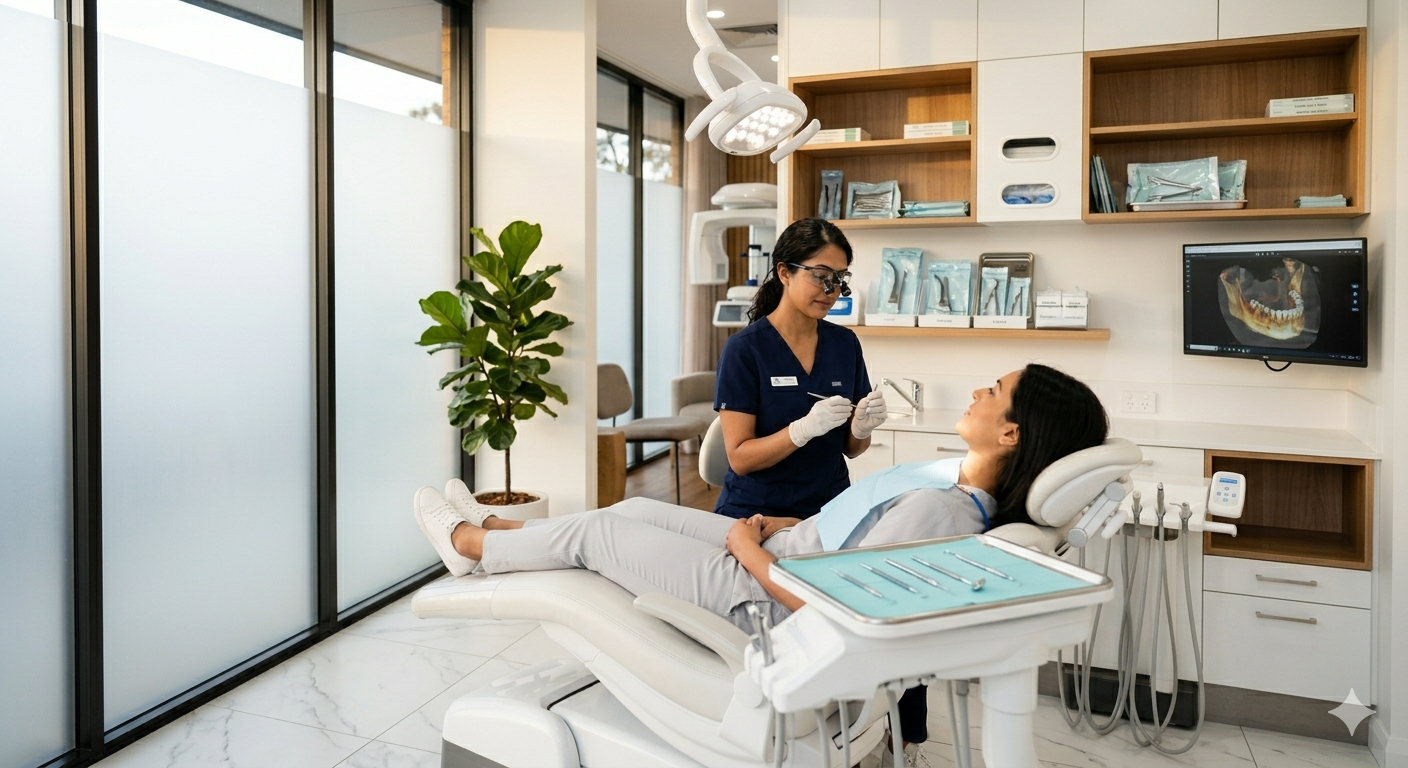
Dental implant treatment involves a blend of advanced technology and careful planning to restore missing teeth. It focuses on creating durable, natural-looking replacements that support overall oral health and comfort. Patients considering this procedure can expect a range of options tailored to their specific needs.
What Are Dental Implants and How Do They Work?
Dental implants are small titanium posts that act like tooth roots, placed directly into the jawbone. Once the implant fuses with the bone through a process called osseointegration, it provides a stable foundation for a crown, bridge, or denture. This stability allows implants to function just like natural teeth.
They help maintain jawbone density and prevent the shifting of remaining teeth. Unlike dentures, implants don’t slip or require adhesives, offering greater comfort and confidence when eating or speaking.
Who Is a Good Candidate for Dental Implants?
Ideal candidates are generally in good overall health with sufficient jawbone density to support the implant. Patients with healthy gums and no uncontrolled chronic diseases, such as diabetes, tend to have better outcomes. Those who smoke or have had radiation therapy to the head or neck should discuss potential risks with their dentist.
Age is not a strict limitation, but jaw growth should be complete. A thorough evaluation, including X-rays or CT scans, helps determine if bone grafts or sinus lifts are needed before placement.
Types of Dental Implants Used in Costa Mesa
Costa Mesa dental practices commonly offer several implant types to suit different cases:
| Implant Type | Description | Best For |
|---|---|---|
| Endosteal Implants | Most common, screw-shaped, placed in the jawbone | Single or multiple tooth replacement |
| Subperiosteal Implants | Placed under the gum on or above the jawbone | Patients with insufficient bone |
| Mini Implants | Smaller diameter, less invasive | Stabilizing dentures or narrow spaces |
Local dentists also use advanced materials and digital imaging, enhancing precision and patient comfort throughout treatment.
Benefits of Choosing Dental Implants
Dental implants offer practical and lasting solutions for tooth loss. They improve not only appearance but oral function, supporting healthy habits and providing a solid foundation for chewing and speaking. These benefits extend beyond initial care, influencing long-term dental health and lifestyle.
Restoring Confidence in Your Smile
Dental implants provide a secure and natural-looking replacement for missing teeth. Unlike dentures, they don’t slip or cause discomfort, allowing people to smile freely without fear of embarrassment. The design matches the patient’s natural tooth color and shape, making the restoration virtually undetectable.
Because implants are fixed into the jawbone, they feel stable and behave like real teeth. This stability helps speech clarity and makes eating more enjoyable, without worrying about food slipping or irritation. For many, regaining a natural smile boosts self-esteem and helps them feel more confident in social and professional settings.
Long-Term Oral Health Advantages
One of the significant oral health benefits of dental implants is their role in preserving jawbone density. When a tooth is lost, the underlying bone can deteriorate over time. Implants stimulate the bone just like natural teeth roots, preventing bone loss and maintaining facial structure.
Additionally, implants don’t affect adjacent teeth. Unlike dental bridges, they don’t require grinding down neighboring healthy teeth for support. This preservation supports overall oral health and reduces the risk of future dental problems.
Implants also simplify oral hygiene because they can be brushed and flossed like natural teeth, unlike dentures that require special care. This ease supports better long-term gum health and reduces the chances of infection or gum disease.
How Implants Compare to Other Tooth Replacement Options
Compared to dentures and bridges, dental implants offer greater durability and functionality. Dentures often need adhesives and can feel bulky, while bridges rely on surrounding teeth which may weaken those teeth over time.
Implants fuse with the jawbone through a process called osseointegration, creating a strong anchor that can last decades with proper care. They also don’t require removal for cleaning, making daily routines simpler and more comfortable.
Costs may be higher upfront, but implants often prove more cost-effective long-term due to their durability and reduced need for adjustments or replacements. For patients looking for a reliable and natural-feeling solution, implants stand out as a preferred choice.
If you’re considering options for missing teeth, consulting a local Costa Mesa dental specialist can clarify which approach fits your needs best.
The Dental Implant Process in Costa Mesa
Dental implant treatment in Costa Mesa involves careful planning, surgery, and healing to restore missing teeth with lasting results. Patients move through a series of appointments where comfort and precise care guide each step from consultation to final restoration.
Step-by-Step Experience for Patients
The process usually starts with a comprehensive exam including X-rays or CT scans to assess bone health and oral conditions. Next, a customized treatment plan is created. On surgery day, the oral surgeon places the titanium implant into the jawbone under local anesthesia or sedation based on patient preference.
After implant placement, a healing cap protects the site while osseointegration occurs, meaning the bone fuses to the implant. This phase lasts several months to create a stable foundation. Finally, an abutment is attached to the implant, and a custom crown is fitted to restore the tooth’s appearance and function.
What to Expect During Recovery
Recovery begins with mild swelling and discomfort, typical after implant surgery, which can be managed with over-the-counter pain relievers and ice packs. Patients should avoid hard foods and practice gentle oral hygiene to prevent irritation around the surgical site.
Most people can return to their normal daily activities within a few days. Stitches may dissolve or be removed after about one to two weeks. Regular follow-up visits ensure healing is progressing and allow the dentist to check for any issues early on.
Timeline from Consultation to New Teeth
The entire process takes several months, usually between three to six. Initial consultation, imaging, and planning may take one or two appointments over a few weeks. The implant surgery itself takes about one to two hours.
Healing time after surgery is generally three to four months, depending on bone quality and individual health factors. After osseointegration, the restoration phase begins, often lasting a few weeks for impressions, fabrication, and final crown placement. Patients leave with functional, natural-looking teeth once this is complete.
Cost and Financing Options
Dental implants vary in cost depending on the complexity of the procedure and materials used. Understanding typical prices, how insurance might help, and long-term benefits can make the investment clearer.
Average Pricing for Dental Implants
In Costa Mesa, dental implant costs typically range from $3,000 to $5,000 per implant. This price often includes the implant post, abutment, and crown but may exclude preliminary exams or imaging. Additional procedures like bone grafts or sinus lifts can increase the total cost.
Clinics may offer package deals for multiple implants or discounts on full-mouth restorations. The quality of materials and expertise of the dentist also affect pricing. It’s important for patients to request a detailed breakdown upfront to avoid surprises.
Insurance Coverage and Payment Plans
Most dental insurance plans cover only a portion of the implant procedure, often focusing more on extractions or crowns than implants themselves. Some policies may consider implants as elective or cosmetic, limiting reimbursement.
Many Costa Mesa dental offices provide flexible payment plans to spread out costs over several months. Options like low-interest financing or partnerships with third-party lenders can reduce financial pressure. Some practices offer in-house financing or discounts for upfront payments.
Patients should verify coverage details with their insurance providers and discuss payment options directly with their dental office.
Investing in Your Long-Term Oral Health
Though the upfront cost of implants can be higher than alternatives like dentures, implants offer lasting benefits. They help preserve jawbone density and avoid the discomfort or shifting of traditional dentures.
Thinking of implants as a long-term investment in oral health can ease financial concerns. Regular care can help implants last 15 years or more, providing a more natural feel and improved chewing function. Patients are encouraged to talk to their dentist about personalized plans that fit their budget and needs.
Comfort and Safety During Implant Care
Dental implant care in Costa Mesa focuses on patient comfort and safety throughout every stage. Advanced equipment and thoughtful pain control methods make procedures less stressful and recovery smoother. These elements work together to ensure a positive experience for every patient.
Modern Technology for Gentle Procedures
Dentists in Costa Mesa use precise 3D imaging to map the jawbone before implant placement. This technology helps avoid sensitive areas like nerves and sinuses, reducing complications. It also allows for smaller incisions, which means less swelling and faster healing.
Computer-guided implant surgery is increasingly common. This method directs the implant placement with high accuracy, minimizing discomfort and improving the overall fit. Laser dentistry tools may also be used to reduce bleeding and tissue damage during surgery.
Such modern tools ensure procedures are gentle while maintaining high success rates. Patients can expect less pain and quicker return to normal activities compared to older methods.
Pain Management and Sedation Options
Effective pain management starts with local anesthesia, which numbs the implant area completely during the procedure. Patients remain awake but feel no pain, making the experience calm and controlled.
For those with anxiety or those undergoing complex treatments, sedation options are available. Nitrous oxide (laughing gas) helps relax without deep sedation, and oral sedatives can calm nerves before arrival.
In some cases, IV sedation provides deeper relaxation while the patient stays responsive. Post-operative pain is usually manageable with over-the-counter medications. Dentists provide clear instructions on pain relief and care to keep discomfort low during healing.
Caring for Your New Dental Implants
Dental implants need careful attention to stay healthy and last a lifetime. Following simple yet effective care routines can help prevent complications and keep your smile looking great.
Oral Hygiene and Maintenance Tips
Keeping dental implants clean is essential. Brushing twice daily with a soft-bristled toothbrush helps remove plaque without damaging the implant surface. Patients should also use a low-abrasive toothpaste to protect the implant’s titanium post and surrounding gum tissue.
Flossing is just as important. Special implant-specific floss or interdental brushes can reach tight spaces and remove food particles. Rinsing with an antimicrobial mouthwash can reduce bacteria and support gum health. Regular dental check-ups, including professional cleanings, are necessary to detect issues early and maintain implant stability.
Recognizing and Preventing Potential Issues
Implant discomfort, swelling, or unusual bleeding should never be ignored. Early signs of peri-implantitis, an infection around the implant, include redness and tenderness. Patients should contact their dentist promptly if these symptoms appear.
Avoid smoking and limit sugary foods, as both increase infection risk. Protective habits, such as wearing a nightguard if teeth grinding is a concern, prevent damage to implants. Staying vigilant about changes around the implant can help avoid costly complications down the line.
Why Choose a Costa Mesa Dental Expert?
Costa Mesa dental experts combine years of hands-on experience with personalized treatment plans tailored to each patient’s needs. Their focus on comfort and the latest implant techniques helps ensure successful outcomes.
Local Experience and Specialized Training
Dentists in Costa Mesa often train extensively in implant dentistry, keeping up with the latest advancements such as 3D imaging and guided implant placement. This local expertise means they understand the unique needs of patients from the area, including how lifestyle and diet can affect oral health.
Many practices participate in ongoing education programs, from specialized implant courses to attending dental conferences. This commitment to learning ensures patients benefit from precise diagnostics, minimally invasive procedures, and durable results. The familiarity with regional health concerns also helps these experts plan treatments that fit well into each person’s routine, improving overall satisfaction.
Personalized Care for Every Patient
Dental professionals in Costa Mesa emphasize creating individualized plans that consider a patient’s health history, smile goals, and comfort level. They take time to explain each step, answer questions clearly, and offer options that match different budgets and preferences.
From consultation to follow-up visits, care is adjusted to how the patient responds, using gentle techniques and modern sedation when needed. This approach helps ease any dental anxiety and promotes healing. Patients appreciate that their concerns are heard and their treatments feel customized rather than one-size-fits-all. This means better results and greater peace of mind during the implant process.
Next Steps: Scheduling Your Consultation
The first step toward dental implants in Costa Mesa, CA, is setting up a consultation. During this visit, the dentist will review your oral health, discuss your goals, and explain the implant process in straightforward terms.
Patients can expect a comfortable and welcoming environment where their questions are encouraged. The team will evaluate if implants are the right option or suggest alternatives based on individual needs.
Here’s what typically happens at a consultation:
| Step | What to Expect |
|---|---|
| Health Review | Medical and dental history check |
| Oral Exam | X-rays and impressions |
| Treatment Plan | Customized implant options |
| Financial Options | Insurance and payment discussion |
Scheduling is easy. Many offices offer online booking or phone appointments. It’s good to prepare a list of questions or concerns in advance to make the most of the visit.
Dental implants are a step toward a healthier smile, and taking this first step helps patients feel informed and comfortable. Encouraging a conversation is important—patients are invited to reach out and begin the process with confidence.
Frequently Asked Questions
Dental implant treatment involves several steps, costs, and healing times that vary by patient. Understanding these details helps set clear expectations and ensures the best results.
How much do dental implants typically cost in California, and what factors can change the price?
Dental implants in Costa Mesa generally range from $3,000 to $6,000 per tooth. Factors affecting price include the need for bone grafting, type of implant used, and the complexity of the case.
Insurance coverage, dental surgeon experience, and additional procedures like sinus lifts can also influence overall costs.
Am I a good candidate for dental implants if I’ve had gum disease or bone loss?
Patients with a history of gum disease or bone loss are not automatically disqualified. Bone grafting or periodontal treatment may be needed before implant placement.
A thorough exam determines if the jawbone is strong enough to support an implant safely.
What does the dental implant process look like from consultation to final crown?
The process starts with a detailed consultation and imaging to plan treatment. Next is the surgical placement of the implant post into the jawbone.
After healing, usually 3-6 months, an abutment and the permanent crown are attached to complete the restoration.
How long does it take to heal after implant surgery, and what can I do to stay comfortable?
Healing usually takes 3 to 6 months as the bone fuses with the implant. Swelling and mild discomfort are common in the first few days.
Using ice packs, eating soft foods, and following post-operative care instructions help manage pain and promote healing.
Can dental implants help improve my bite and reduce jaw or chewing discomfort?
Yes, implants restore stable tooth function, allowing for better chewing and even bite pressure. This balance can relieve jaw pain caused by missing teeth or dentures.
Stable implants help maintain jawbone health, which supports overall oral comfort.
How do I care for a dental implant long-term to help it last for years?
Good oral hygiene is critical—brushing twice daily and flossing around the implant help prevent infection. Regular dental checkups ensure early detection of any problems.
Avoid hard bites and smoking, as they can negatively affect implant longevity.