
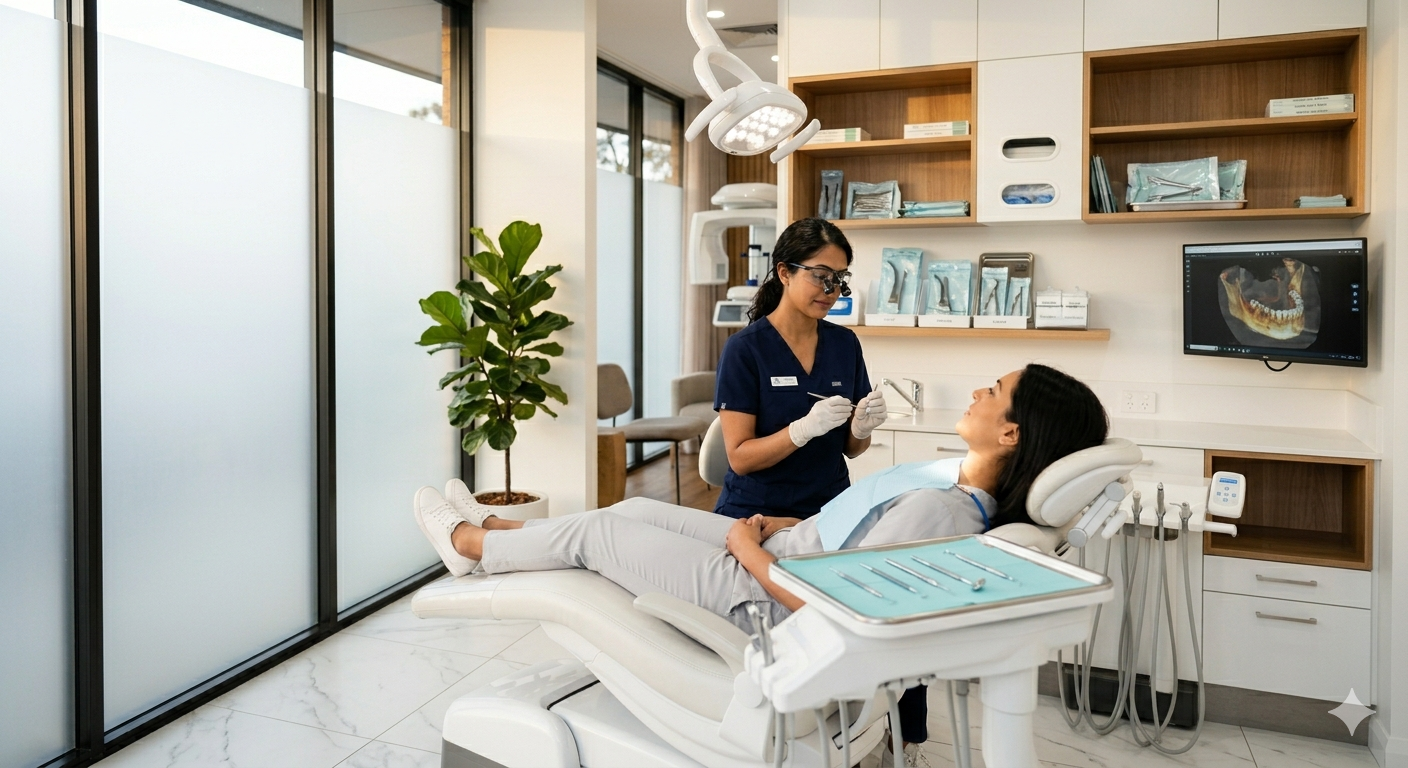
When a dental emergency strikes in Costa Mesa, knowing where to turn can make all the difference. An emergency dentist in Costa Mesa CA is available to provide immediate care for urgent issues like severe tooth pain, knocked-out teeth, or broken crowns. Quick and professional treatment helps prevent further damage and eases discomfort effectively.
Emergency dentists in the area focus on patient comfort and use modern technology to diagnose and treat problems promptly. They understand that dental emergencies can be stressful and work to create a calm, supportive environment. This makes it easier for patients to get the help they need without added worry.
What Is an Emergency Dentist in Costa Mesa CA?
An emergency dentist in Costa Mesa CA is a specialized dental professional trained to handle urgent dental issues that require immediate care. They focus on relieving pain, preventing infection, and restoring damaged teeth swiftly. Their practice is equipped to diagnose and treat unexpected dental injuries and severe oral health problems.
Types of Dental Emergencies
Dental emergencies can vary widely but usually involve sudden tooth pain, trauma, or infection. Common cases include severe toothaches that don’t improve with home care, chipped or knocked-out teeth from accidents, and infections causing swelling or fever. These conditions demand quick attention to prevent further damage.
Other emergencies include lost fillings or crowns, broken braces or wires causing pain, and soft tissue injuries in the mouth. Understanding these situations helps patients know when to seek urgent dental care instead of waiting for a regular appointment.
Qualifications and Experience
Emergency dentists in Costa Mesa CA hold the same dental degrees as general dentists but pursue additional training or experience in urgent care. They are skilled in quickly diagnosing pain sources, managing infections, and performing procedures under time-sensitive conditions.
Many have backgrounds in oral surgery, trauma management, or sedation dentistry to better serve patients in distress. Their familiarity with advanced pain control and emergency protocols ensures that patients receive prompt, effective treatment with comfort and care.
Services Offered
Services from an emergency dentist often include pain relief through medication or procedures like root canals. They repair broken or knocked-out teeth using bonding, crowns, or implants when needed. Infection control, often involving drainage and antibiotics, is also a critical service.
Additional offerings include treatment for oral injuries, repairs of dental appliances, and advice on preventing future emergencies. Many provide early morning, evening, or weekend appointments to accommodate urgent needs without delay.
When to Seek Emergency Dental Care
Dental emergencies can range from sudden pain to injuries that require immediate attention. Knowing the difference between urgent cases and those that can wait helps patients get the right care without unnecessary stress.
Signs You Need Urgent Attention
Severe tooth pain that doesn’t improve with over-the-counter painkillers often signals a serious issue. Uncontrolled bleeding from the mouth or gums after an injury is another clear sign that immediate care is needed.
Other urgent symptoms include a knocked-out tooth, swelling that affects breathing or swallowing, and visible signs of infection like pus or fever. These situations require prompt evaluation to prevent complications.
Common Causes of Dental Emergencies
Accidents causing chipped, cracked, or knocked-out teeth are the most frequent reasons people seek emergency dental care. Sports injuries and falls commonly lead to these issues.
Sudden dental infections or abscesses can cause swelling and intense pain, often requiring urgent treatment to stop the infection from spreading. Severe toothaches caused by decay or nerve damage also drive emergency visits.
Situations That Can Wait
Minor issues like a slight chip without pain or mild discomfort with a loose filling usually don’t need immediate care. These can safely be scheduled for a regular dental appointment within a few days.
A lost crown or veneer without pain can be managed temporarily with over-the-counter dental adhesive. Slight gum irritation without swelling or bleeding is also not urgent but should be checked soon to prevent worsening.
What to Expect During an Emergency Dental Visit
During an emergency dental visit, patients often feel anxious but can expect a clear and efficient process focused on relieving pain and addressing urgent dental issues. The visit typically starts with a quick assessment, followed by pain management and diagnostic steps to identify the exact problem. Understanding these steps helps patients feel more at ease.
Immediate Assessment Process
When a patient arrives at an emergency dentist in Costa Mesa, the team prioritizes evaluating their condition quickly. The dentist or hygienist will ask about symptoms, how the injury or pain started, and any relevant medical history.
This assessment aims to determine the severity of the situation. For example, a loose tooth, severe toothache, or swelling may need different immediate actions. In some cases, the dentist may check for signs of infection or trauma to soft tissues. The goal is to decide if the patient needs urgent care, such as stabilizing a tooth or preventing a worsening infection.
Pain Management Techniques
Managing pain is a priority during an emergency dental visit. The dentist may use local anesthesia to numb the area immediately. For intense pain, oral or injectable pain relievers may be offered.
They also explain at-home methods to control discomfort after treatment, such as using cold compresses or over-the-counter painkillers. In some cases, the dentist might prescribe antibiotics to reduce infection-related pain. This approach ensures patients feel comfortable while the underlying issue is being treated.
Diagnostic Tools Used
Emergency dentists rely on modern tools to determine the cause of dental emergencies accurately. Digital X-rays are often taken to view tooth fractures, infections, or bone damage clearly. These images help make quick and informed decisions about treatment.
Other tools might include intraoral cameras for a close-up look at the damaged area or pulp vitality tests to check if the tooth’s nerve is still alive. These diagnostics allow the dentist to plan the right treatment efficiently, minimizing further discomfort or complications.
Modern Emergency Treatments and Technology
Emergency dental care in Costa Mesa uses advanced tools and techniques to provide fast, effective relief. These innovations help dentists quickly diagnose issues and offer comfortable treatments tailored to urgent needs.
Same-Day Treatment Options
Dentists in Costa Mesa understand that dental emergencies can’t wait. Many clinics now offer same-day appointments to address pain, broken teeth, or infections immediately. This approach minimizes discomfort and prevents worsening conditions.
Common same-day treatments include pain relief for toothaches, temporary crowns for broken teeth, and root canal therapy to eliminate infection. These treatments stabilize the problem quickly, allowing patients to avoid prolonged discomfort or further damage. The goal is to restore function and comfort as soon as possible, often within hours of the emergency.
Digital X-Rays and Imaging
Digital X-rays are a crucial component in emergency dental care. Compared to traditional film, they produce images instantly, enabling dentists to spot cracks, infections, or bone loss more efficiently. This speed helps them make swift, accurate decisions during urgent visits.
These images use less radiation, making them safer for patients. Additionally, 3D imaging technology, like cone beam CT scans, offers detailed views of tooth roots and jaw structure. This precision guides targeted treatments, ensuring dentists address the exact source of pain or damage without delay.
Minimally Invasive Procedures
Minimally invasive methods reduce discomfort and recovery time during emergency treatments. Dentists focus on preserving as much natural tooth structure as possible when repairing damage.
Examples include laser therapy to treat soft tissue injuries and air abrasion to remove decay gently. These techniques avoid drilling when possible, easing anxiety and speeding healing. For infections, targeted antibiotics combined with drainage or cleaning can prevent more invasive surgery, promoting quicker relief.
Patients benefit from faster visits and less post-treatment pain thanks to these advancements.
How to Prepare for a Dental Emergency
Being ready for a dental emergency means having the right supplies on hand and knowing what steps to take before visiting the dentist. Preparation can reduce pain and prevent further damage.
Creating a Dental First Aid Kit
A well-stocked dental first aid kit can help manage pain and protect injured teeth until professional care is available. It should include:
- Sterile gauze pads to control bleeding.
- Cotton balls for applying pressure or cleaning wounds.
- Dental wax to cover sharp edges of broken teeth.
- Pain relievers like ibuprofen or acetaminophen for discomfort.
- Saline solution or antiseptic mouthwash for rinsing.
- An emergency dental repair kit (available at pharmacies) for temporary fixes.
- A small container to hold knocked-out teeth, keeping them moist.
Keep this kit accessible at home and in your car. Regularly check expiration dates and restock items as needed.
Steps to Take Before Your Appointment
At the first sign of a dental emergency, act quickly and calmly. Rinse your mouth with warm water to clean the area gently. Use cold compresses applied to the outside of your mouth or cheek to reduce swelling.
If a tooth is knocked out, try to place it back into the socket without forcing it. If that’s not possible, store it in milk or saline solution to keep it alive. Avoid touching the tooth root.
Call the emergency dentist immediately, provide details about the injury, and follow their instructions carefully. Gathering any relevant dental records or x-rays before your visit can speed up diagnosis and treatment.
Finding the Right Emergency Dentist in Costa Mesa CA
When sudden dental pain strikes, finding a trustworthy and accessible emergency dentist is crucial. Knowing what to prioritize helps patients make quick decisions with confidence, ensuring fast relief and expert care.
Qualities to Look For
The right emergency dentist combines experience with a calm, reassuring manner. Look for dentists skilled in handling urgent issues like severe toothaches, broken teeth, or infections. Certifications and continuous education show they stay updated on the latest techniques.
Patient comfort matters. A dentist who listens and explains treatments in simple terms reduces anxiety. Modern equipment and a clean office indicate professionalism and a commitment to quality care.
Services like same-day appointments and 24/7 availability are important, as emergencies don’t follow a schedule. Transparency about costs and insurance helps avoid unexpected bills.
Location and Accessibility
Proximity is key during a dental emergency. Choosing a dentist near Costa Mesa’s neighborhoods, such as Eastside Costa Mesa or Westside, cuts down travel time, making it easier to get prompt help.
Accessible locations with ample parking or public transit options make visits less stressful, especially with pain or swelling. Easy-to-navigate websites with clear contact information speed up the process of booking emergency appointments.
Some offices offer extended hours on evenings or weekends, which is a big plus. Knowing the route ahead saves precious minutes when emergency strikes.
Patient Reviews and Recommendations
Online reviews offer insight into real patient experiences. Look for consistent mentions of timely care, gentle handling, and effective pain relief. Positive feedback about staff friendliness and clear communication highlights patient-centered service.
Word-of-mouth from neighbors or local community groups can also guide toward trusted practices. Recommendations by other healthcare professionals, like your primary doctor, add credibility.
Balance the number of reviews with their content to avoid biased judgments. Prioritize dentists who address concerns openly and show a strong commitment to patient satisfaction.
Preventive Tips to Reduce Dental Emergencies
Taking simple, consistent steps can greatly lower the risk of dental emergencies. Maintaining daily care, using protective gear during activities, and visiting the dentist regularly all play crucial roles.
Everyday Oral Care Habits
Brushing twice a day with fluoride toothpaste helps remove plaque that can cause decay and infections, common triggers for emergencies. Flossing daily cleans areas your brush can’t reach, preventing gum disease and tooth loss.
Limiting sugary snacks and drinks also reduces acid buildup that weakens enamel. Avoid using teeth as tools—like opening packages—to prevent chips or cracks.
Hygiene and habits together form a frontline defense against unexpected pain or damage. Consistency is key because small actions add up over time to protect teeth.
Protective Gear for Sports
Wearing a properly fitted mouthguard during contact or high-impact sports is essential. It cushions blows, reducing the chance of broken teeth or jaw injuries.
There are boil-and-bite and custom-made mouthguards; custom options offer a better fit and comfort. Helmets and face shields add extra protection for sports like biking or skateboarding.
Encouraging children and adults in active sports to always use protection can prevent many emergencies before they happen.
Regular Dental Check-Ups
Scheduling dental exams every six months lets dentists spot potential problems early. X-rays and cleanings help catch cavities, gum issues, or weak spots that could lead to emergencies if untreated.
Professional advice on technique and products also fine-tunes your daily routine. Dentists can provide personalized tips to address your unique risks.
Routine visits build a relationship where patients feel comfortable sharing concerns, making emergency care faster and less stressful if the need ever arises.
Insurance, Costs, and Payment Options
Costs and payment choices often shape decisions about emergency dental care. Knowing the typical fees, the role insurance plays, and available flexible payment plans can help patients better prepare and avoid surprises.
Understanding Emergency Dental Fees
Emergency dental fees vary widely based on the severity of the issue and required treatment. Simple procedures like a tooth extraction might cost between $150 and $400, while more complex treatments such as root canals can range from $700 to over $1,200.
Additional costs may include X-rays, medications, or sedation. Many emergency dentists in Costa Mesa offer an initial exam fee separate from treatment costs. Patients should ask for a clear estimate before treatment to manage expenses comfortably. Transparency about fees helps reduce stress during urgent visits.
Insurance Coverage Considerations
Insurance plans often cover emergency dental services but may limit payment based on the type of procedure or urgency. Many policies include coverage for exams, X-rays, and some treatments, but coverage for procedures like root canals or crowns may be partial.
Patients should check whether their insurance requires pre-authorization or if out-of-network providers affect their costs. Some insurers categorize emergency care differently from routine care, affecting reimbursements. Calling the dental office or insurance provider before treatment can clarify covered expenses and co-pays.
Flexible Payment Plans
Many dental offices in Costa Mesa understand that emergency treatment can be unexpected. To ease financial pressure, they may offer flexible payment options such as monthly installment plans or financing through third-party services.
These plans often require little to no interest if paid within a set term. Some offices also accept credit cards or Health Savings Accounts (HSAs). Patients should inquire early about payment options to focus on care instead of costs, ensuring access to needed treatment without delay.
Comfort and Compassion in Emergency Dentistry
Emergency dental care is not just about fixing immediate problems—it’s about making patients feel safe and understood during stressful moments. This care involves gentle communication, pain management, and continued support after treatment to encourage healing and prevent future emergencies.
Patient-Centered Care Approach
Dental teams in Costa Mesa prioritize the patient’s experience by tailoring treatments to individual needs. They listen carefully to concerns and explain procedures clearly, reducing uncertainty. The focus on comfort means using modern techniques that minimize pain and discomfort, such as local anesthesia and gentle cleaning methods.
This approach also respects a patient’s time. Many emergency dentists offer same-day appointments or walk-in options to quickly address urgent issues. Staff remain calm and approachable, ensuring each visit feels personal and respectful, not rushed or clinical.
Managing Dental Anxiety
Many people avoid emergency dental care because of fear. Professionals in Costa Mesa understand this and create a soothing environment through warm communication and patience. Techniques like guided breathing, distraction tools, or sedation options are available for those who need extra help relaxing.
They also educate patients about what to expect at each step, making the unknown more manageable. By acknowledging fear openly rather than dismissing it, dentists build trust. This atmosphere reduces anxiety, helping patients receive timely care without unnecessary stress.
Ongoing Support After Emergency Treatment
Emergency care doesn’t end with the immediate fix. Follow-ups are crucial to check healing and ensure no complications arise. Dentists provide clear aftercare instructions and remain available for questions, often by phone or online.
They also recommend preventive measures to avoid repeat emergencies, such as custom mouthguards or improved oral hygiene routines. This ongoing support shows a commitment not just to quick relief but to long-term dental health and patient confidence.
Take the Next Step: Schedule Your Emergency Dental Consultation
When a dental emergency strikes, quick action matters. Scheduling an emergency dental consultation in Costa Mesa, CA, ensures prompt care to relieve pain and prevent further damage. Many local clinics offer same-day appointments to address urgent issues like toothaches, broken teeth, or infections.
Before the visit, patients should gather any relevant dental records and list symptoms clearly. This preparation helps the dentist assess the situation faster and recommend the best treatment plan. It also allows the patient to feel more in control during a stressful moment.
Most emergency dental offices provide a warm, welcoming environment. They focus on patient comfort through gentle techniques and modern technology. Whether it’s a chipped tooth or severe pain, they aim to make the experience as smooth as possible.
Here’s a quick checklist to help prepare:
- Describe symptoms clearly when calling.
- Bring any dental insurance information.
- Avoid self-medicating with aspirin on gums.
- Arrive on time to speed up care.
Taking this step can ease anxiety and set the course for effective treatment. It’s a simple way to protect oral health and regain peace of mind. The team is ready to answer questions and guide patients every step of the way.
Frequently Asked Questions
Emergency dental situations vary widely, but some conditions require faster action than others. Knowing how to respond, what to expect, and what options are available can help ease both discomfort and worry.
What counts as a true dental emergency versus something that can wait until a regular appointment?
A true dental emergency involves severe pain, uncontrolled bleeding, or trauma like knocked-out or cracked teeth. Mild sensitivity, minor chips, or cosmetic issues usually can wait for a scheduled visit.
If you’re unsure, intense pain or swelling is a good indicator to seek immediate care.
What should I do right away if I chip, crack, or knock out a tooth?
Rinse your mouth gently with warm water to clean the area. For a knocked-out tooth, hold it by the crown (not the root) and try placing it back in the socket if possible.
If not, store it in milk or a tooth preservation kit and see a dentist immediately.
How can I relieve severe tooth pain at home safely until I’m seen?
Over-the-counter pain relievers like ibuprofen can help reduce pain and inflammation. Avoid placing aspirin directly on the gums as it can cause irritation.
Applying a cold compress on the cheek can also ease swelling.
Will you be able to see me the same day, and what information should I have ready when I call?
Many emergency dentists in Costa Mesa offer same-day appointments, especially for pain or injury. Have your contact details, insurance information, a description of the problem, and how it happened ready.
This helps the office prepare and prioritize your care.
What are the most comfortable, modern treatment options for an infected tooth or dental abscess?
Antibiotics often start the treatment, followed by root canal therapy or drainage. Laser dentistry and gentle sedation techniques can reduce discomfort.
Dentists focus on pain management and preventing further infection while preserving the tooth.
How much does an emergency visit typically cost, and what payment or insurance options are available?
Emergency dental visits usually range from $150 to $500 depending on the procedure. Many offices accept major insurance plans, offer payment plans, or accept credit cards.
It’s best to ask ahead about costs and financing options to avoid surprises.