
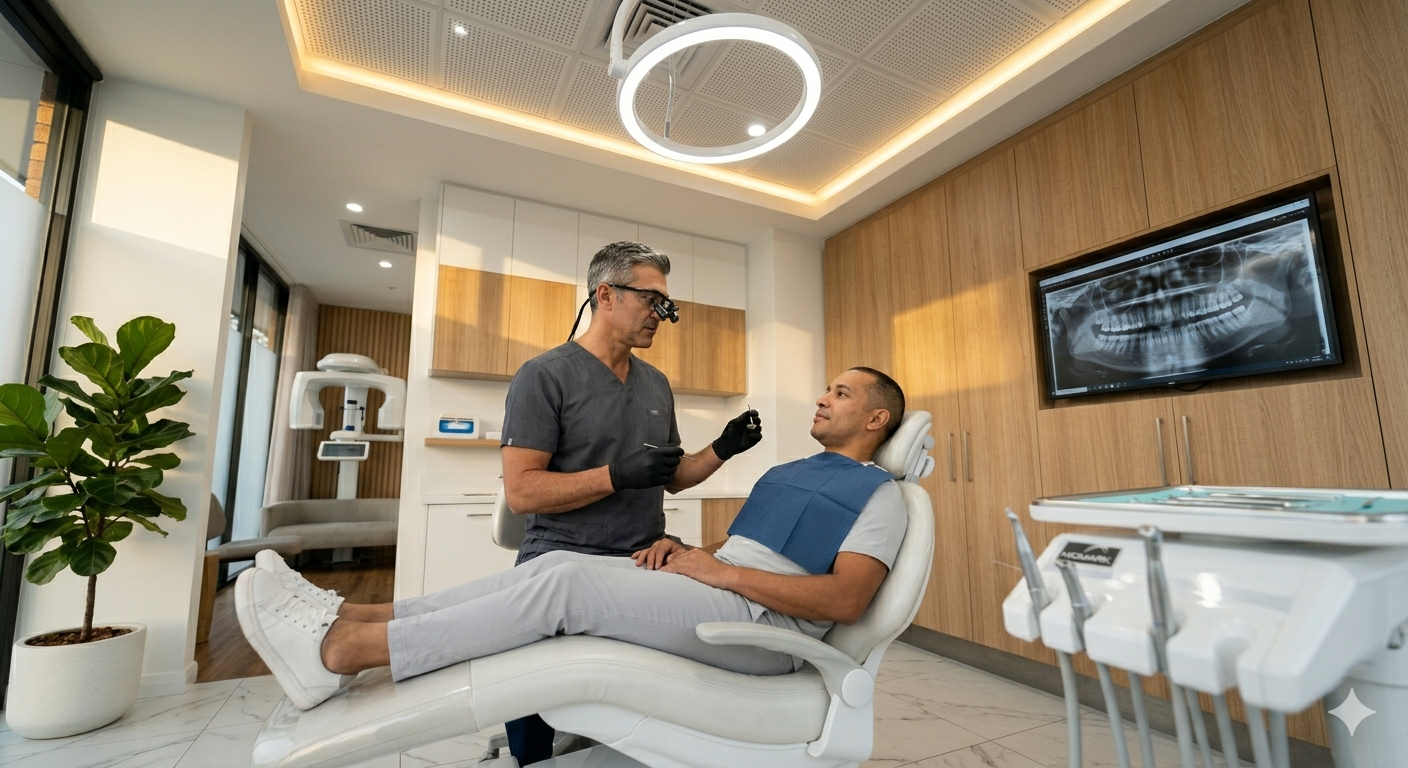
You want a family dentist in Costa Mesa who treats every age with modern care and a gentle touch. A local family dentist can handle cleanings, fillings, children’s care, and restorative treatments under one roof—saving you time and stress while keeping your whole family’s smiles healthy.
They explain procedures in plain language, offer kid-friendly visits, and use up-to-date technology to make treatment faster and more comfortable. Expect clear scheduling, flexible payment options, and a team that follows up to support long-term oral health.
Why Choose a Family Dentist in Costa Mesa
A family dentist provides consistent, comprehensive care for every member of the household, from toddlers to grandparents. They focus on prevention, comfort, and treatments tailored to each stage of life.
Building Trusting Relationships With Your Dental Team
Patients and parents often prefer a single dental team that knows their medical history, treatment preferences, and anxiety triggers. When a child sees the same hygienist and dentist over years, visits feel familiar; staff can use personalized strategies like slower introductions, child-sized explanations, and favorite-flavor topical anesthetics to reduce fear. For adults, continuity lets the dentist spot subtle changes—early enamel wear or shifting bite patterns—that one-off visits can miss.
Administrative continuity matters too. A single team maintains consistent records on allergies, prior crowns, orthodontic referrals, and billing preferences, reducing errors and surprise costs. Regular visits build rapport, making it easier for patients to ask about cosmetic options, sleep apnea screening, or minimally invasive restorations.
Convenience for Busy Families
A family practice schedules multiple ages on one day, shortening drive time and simplifying appointments. Parents can book a child’s checkup, a spouse’s cleaning, and a grandparent’s denture adjustment back-to-back, often within the same block of time. That approach saves work hours and childcare juggling for families in Costa Mesa.
Many family dentists offer extended hours, weekend slots, and online booking with text reminders. On-site services like digital X-rays, same-day crowns using CAD/CAM, and fluoride varnish mean fewer specialist referrals and faster resolutions. This practical setup helps working parents and caregivers keep preventive care on track without repeating visits to different offices.
Continuity of Care From Childhood Through Adulthood
A long-term provider monitors growth and dental development, guiding transitions from sealants and fluoride for kids to periodontal maintenance for adults. Early records let the dentist compare bite development over time, enabling timely orthodontic referrals or interceptive treatments before problems worsen. That lifecycle perspective reduces invasive procedures later.
Preventive plans evolve with age: pediatric anticipatory guidance, adolescent sports mouthguards, and adult periodontal therapy or restorative planning are coordinated under one treatment philosophy. For patients with chronic conditions—diabetes or heart disease—the same dentist can integrate medical considerations into oral care, coordinating with physicians to optimize overall health. This sustained oversight supports better outcomes and fewer surprises.
Comprehensive Dental Services for All Ages
This practice provides routine checkups, preventive care, restorative treatments, and cosmetic options tailored to each age group. It emphasizes comfort, modern technology, and clear treatment plans so families can make informed choices.
Preventive Care for Children and Adults
They perform age-specific exams: fluoride varnish and sealants for kids, and periodontal screening for adults. Cleanings use ultrasonic scalers and hand instruments to remove plaque and tartar, plus personalized home-care instruction based on oral health status.
Well-child visits include growth and eruption monitoring, bite evaluations, and habit counseling (thumb sucking, pacifier use). Pediatric X-rays follow the ALARA principle and are taken only as needed. For teens, the team discusses sports mouthguards and early orthodontic referrals when crowding or crossbites appear.
Adult preventive care emphasizes gum health, oral cancer screening, and risk-based frequency of visits. Diabetic patients receive coordinated care recommendations. The practice offers dental sealants for adults with deep grooves and discusses smoking cessation resources when relevant.
Restorative Treatments and Tooth Repair
They restore teeth using tooth-colored composite fillings, porcelain crowns, and onlays that preserve natural structure. Dentists use digital impressions and CAD/CAM milling for same-day crowns when appropriate, reducing visits and temporary restorations.
When decay or fracture compromises a tooth, root canal therapy removes infection and retains the tooth, followed by a crown for strength. For missing teeth, options include implant-supported crowns, fixed bridges, and removable partial dentures; the team explains pros, cons, and costs for each.
Emergency repairs — chipped enamel, lost fillings, severe pain — receive prompt evaluation. They prioritize pain control, stabilization, and a clear restorative timeline, including sedation options for anxious patients. Financial counseling and phased treatment plans help families manage care.
Cosmetic Solutions for a Confident Smile
They offer whitening, porcelain veneers, and composite bonding to address stains, gaps, and shape concerns. Whitening includes in-office LED-accelerated sessions and take-home trays with custom fittings for predictable results.
Porcelain veneers correct color, size, and alignment issues with conservative prep and long-lasting materials. Composite bonding provides a quicker, lower-cost alternative for minor chips and gaps, usually completed in a single visit.
Smile design consultations use digital photos and mock-ups so patients preview outcomes before committing. The team discusses maintenance, realistic expectations, and combination approaches (orthodontics plus whitening) when needed, ensuring cosmetic choices align with oral health and lifestyle.
Modern Comforts and Technology in Family Dentistry
Modern family dental offices combine patient comfort with precise diagnostics to reduce anxiety and improve outcomes. Expect gentle care options, noise-reducing operatories, and digital tools that speed diagnosis while lowering radiation exposure.
Gentle Techniques for Nervous Patients
Dentists often use topical numbing gel and short-acting local anesthetics to minimize injection discomfort. They explain each step before touching the mouth, which helps patients who worry about surprises.
Offered comfort measures commonly include noise-canceling headphones, warm blankets, and adjustable treatment chairs to reduce physical stress. For severe anxiety, sedation options range from oral sedatives (taken 30–60 minutes before) to nitrous oxide (laughing gas) that wears off quickly after treatment.
Clinicians practice “tell-show-do”: they describe the instrument, demonstrate on a finger or mirror, then perform the task. Pediatric techniques such as positive reinforcement and age-appropriate explanations help children cooperate without trauma.
Staff training in calming communication and short appointment blocks for complex cases further ease anxiety. Patients should discuss previous bad experiences and medical history so the team can tailor comfort measures.
Digital X-Rays and Advanced Diagnostics
Digital X-rays cut radiation exposure by up to 70–80% compared with traditional film and produce images instantly on a monitor. Immediate viewing helps dentists point out cavities, bone loss, and root issues while the patient sits in the chair.
Intraoral cameras provide high-resolution photos of individual teeth and soft tissues. These images help dentists document changes over time and show patients exactly what needs attention, improving informed consent.
Cone beam CT scans are available for complex cases like implant planning or evaluating impacted teeth, giving 3D detail of bone and nerve positions. Most routine visits rely on bitewing and periapical digital sensors for quick, accurate screening.
Software tools assist with measuring bone density, detecting early decay, and tracking periodontal pocket depths. Patients should ask which diagnostics the office uses and how images are stored and shared for continuity of care.
How Dental Health Impacts Overall Well-Being
Maintaining strong teeth and healthy gums reduces pain, prevents infection, and supports daily activities like eating and speaking. Good oral care also lowers risks that can affect the heart, blood sugar control, pregnancy outcomes, and quality of life.
The Connection Between Oral and General Health
Research links gum disease (periodontitis) with higher risk of cardiovascular problems. Bacteria from infected gums can enter the bloodstream, increasing inflammation markers such as C-reactive protein that clinicians monitor for heart disease risk. Patients with uncontrolled diabetes often experience more severe gum disease, and treating oral infections helps improve glycemic control.
Pregnant patients with significant periodontal inflammation face increased risk of preterm birth and low birth weight. Poor oral health also contributes to chronic systemic inflammation, which can worsen arthritis symptoms and respiratory conditions like aspiration pneumonia in older adults. Regular dental cleanings, timely treatment of cavities, and managing gum disease reduce these systemic risks and support overall medical care.
Promoting Healthy Habits at Home
Daily habits make the biggest difference in preventing cavities and gum disease. Brush twice daily with fluoride toothpaste for two minutes, floss once daily, and use an interdental brush or water flosser when spaces are tight. Replace toothbrushes every three months or sooner after illness.
Nutrition matters: limit sugary snacks and acidic drinks, choose calcium- and vitamin D–rich foods, and drink water after meals. For tobacco users, quitting lowers periodontal disease risk and improves healing after dental procedures. Encourage regular dental visits—professional cleanings and targeted advice help catch problems early and tailor preventive steps to each patient’s needs.
What to Expect During Your Visit
Patients can expect a calm, organized experience that prioritizes comfort, clear communication, and efficient care. Staff confirm medical history, explain costs and insurance, and tailor treatment to each patient’s needs.
Welcoming and Friendly Environment
The front desk team greets patients by name and checks them in quickly. Waiting areas include magazines, kid-friendly toys, and water so families feel at ease.
Clinicians review medical history and any current concerns before treatment begins. They explain exam steps and answer questions about sensitivity, past procedures, or medications.
Dental operatories use modern, comfortable chairs and noise-reduction headphones if desired. The team offers blankets, lip balm, or numbing gel for anxious patients.
Payment and insurance coordinators review estimates and available financing options in private. The practice provides clear written instructions for follow-up care and schedules future visits before patients leave.
Step-By-Step Overview of Your Appointment
Intake starts with updated medical and dental history and a brief oral-health questionnaire. A dental assistant takes digital X-rays as needed and photographs teeth for records and treatment planning.
The dentist performs a comprehensive exam: gum health assessment, cavity check, bite evaluation, and oral cancer screening. They explain findings in plain language and show images on a monitor when helpful.
If a cleaning is scheduled, a hygienist removes plaque and tartar, polishes teeth, and applies fluoride when indicated. They teach targeted home-care steps like proper flossing technique for problem areas.
When treatment is recommended, the dentist reviews options, timelines, and costs. Patients hear about anesthesia choices, expected sensations, and post-care instructions so they can decide comfortably.
Supporting Children’s Dental Experiences
This section explains concrete steps to make dental visits calm, safe, and even positive for children. It covers how a family dentist sets up first visits and specific actions parents can take at home and in the office.
Creating Positive First Visits
A family dentist in Costa Mesa typically schedules a short, non‑treatment visit for young children to build familiarity. The visit often lasts 15–20 minutes and focuses on meeting the team, sitting in the dental chair, and using a mirror and gentle tools so the child sees and hears each step without pressure.
The office uses child‑friendly decor, toys, and distraction items like books or tablets with cartoons to reduce sensory stress. The dental team explains each step in simple language, offers a quick “count and look” exam, and makes sure parents stay nearby for reassurance.
The dentist models procedures on a stuffed animal and introduces fluoride varnish only when the child feels comfortable. They document reactions and plan follow‑up visits spaced to gradually increase tolerance, aiming for preventive care rather than urgent treatment.
Tips for Parents to Ease Dental Anxiety
Parents should practice short, positive role‑plays at home: read a book about the dentist, count teeth with a flashlight, and praise calm behavior. Keep descriptions factual — “the dentist will count and clean your teeth” — and avoid scare words like “hurt” or “shot.”
On appointment day, bring a comfort item such as a blanket or favorite toy and arrive early to let the child acclimate. Use a calm tone and brief explanations; long warnings increase anxiety. If a child has sensory sensitivities, notify the office in advance so staff can adjust lighting, noise, or scheduling.
Consider positive reinforcement after the visit: a sticker, extra playtime, or a healthy treat. For persistent anxiety, ask the family dentist about nitrous oxide, short‑acting anti‑anxiety options, or a gradual desensitization plan tailored to the child’s age and medical history.
Personalized Care for Every Smile
This practice crafts treatment around each patient’s medical history, lifestyle, and cosmetic goals to protect oral health and confidence. Appointments balance evidence-based dentistry with comfort measures and clear, written care plans.
Tailoring Treatment Plans to Your Needs
The dentist begins by reviewing medical records, current medications, and any prior dental work to avoid contraindications and plan safe care. They perform a focused exam and take digital X‑rays or intraoral photos when needed to document current conditions and track changes over time.
Treatment options list includes preventive cleanings, fluoride or sealants for children, composite fillings, crowns, root canals, orthodontic referrals, and implant consultations. Each option comes with estimated timelines, costs, and a recovery outline so patients can choose what fits their life.
For patients with anxiety or special needs, the team offers nitrous oxide, short afternoon appointments, or sensory‑friendly rooms. They coordinate with medical providers for patients on blood thinners or immunosuppressants to minimize risk during procedures.
Listening to Patient Concerns
The staff uses structured intake forms and a brief pre‑visit phone call to learn about pain, functional complaints, cosmetic priorities, and scheduling constraints. During the appointment, the dentist pauses for questions after each exam step and repeats key points in plain language.
They prioritize patient goals—whether that’s preserving a tooth, achieving a whiter smile before an event, or finding a low‑maintenance solution for missing teeth. When multiple clinical routes exist, the team presents pros and cons in bullet lists and uses diagrams or models to illustrate expected outcomes.
Follow‑up plans include written instructions, contact details for urgent questions, and a negotiated timeline for next steps so patients understand what will happen and when.
Easy Scheduling and Flexible Payment Options
The practice offers multiple ways to book appointments so patients can pick what works for them. They accept online booking, phone calls, and same-day openings when possible to accommodate busy schedules.
Insurance is handled directly by the office to reduce paperwork stress. They work with major PPO plans and will verify benefits before treatment so families understand coverage ahead of time.
For patients without insurance, the office provides flexible payment plans and accepts credit cards, cash, and care-credit options. Small monthly payments help stretch out costs for larger treatments like crowns or orthodontics.
Transparent pricing helps families plan for preventive visits and unexpected care. Estimates are given before any procedure, and staff explains what is included so there are no surprises.
The team also offers reminders by text or email and easy rescheduling online. This reduces missed appointments and keeps treatment on track for busy households.
They encourage patients to call with questions about financing or to discuss a custom payment arrangement. A short conversation can clarify options and make dental care more affordable.
Staying Connected With Your Costa Mesa Dental Team
Patients benefit when communication with the dental team stays easy and consistent. The office offers multiple ways to connect—phone, email, text reminders, and an online patient portal—so scheduling and follow-ups fit busy lives.
They receive appointment reminders and care instructions through automated texts or emails. Short messages reduce missed visits and help patients prepare for treatments.
For routine questions or minor concerns, the portal and secure messaging speed up responses. The team can review photos, update medical history, and send personalized home-care tips without an extra visit.
Emergency access matters to families. The practice provides after-hours guidance and a clear protocol for urgent dental problems like severe pain or trauma. This ensures patients know when to come in or when to seek immediate care elsewhere.
Financial conversations stay straightforward and compassionate. Staff review insurance benefits, payment options, and estimate costs before treatment. Clear estimates and flexible plans help patients make informed choices without surprises.
Regular check-ins support preventive care. They schedule hygiene visits, monitor ongoing treatments, and remind patients of needed screenings. Small, consistent contacts lead to better oral health over time.
They encourage patients to ask questions and bring concerns to appointments. Friendly, expert staff make consultations comfortable and help patients decide next steps for treatment or preventive care.
Encouragement for the Next Steps
They can start by calling the Costa Mesa family dentist to ask about appointment availability and insurance options. A friendly staff member will explain typical visit lengths, payment plans, and whether same-day care is possible.
Patients should consider booking a preventive cleaning and exam first. Preventive visits detect small issues early and often avoid more complex treatments later.
If anxiety is a concern, they can ask about comfort measures like nitrous oxide, quiet rooms, or step-by-step explanations during treatment. These options help many people feel more relaxed and in control.
Families might schedule appointments for multiple members on the same day to save time. This approach simplifies logistics and helps ensure everyone keeps up with routine care.
They can prepare a short list of questions before the visit—insurance details, treatment timelines, and home care tips. Clear questions lead to clear answers and more confident decision-making.
Use the clinic’s online contact form or call to request a new-patient packet and meet-the-doctor information. Seeing staff bios and treatment photos beforehand often reduces uncertainty.
Consider a brief consultation for cosmetic or restorative concerns before committing to treatment. A consultation gives a realistic plan, timeline, and cost estimate without pressure.
Contact the Costa Mesa family dentist today to schedule a consultation or ask questions. The team welcomes calls and will guide patients toward comfortable, evidence-based care.
Frequently Asked Questions
This section answers practical concerns families in Costa Mesa have about choosing care, what to expect at visits, scheduling preventive checkups, managing anxiety or gag reflexes, handling after-hours emergencies, and cosmetic fixes that look natural.
How do I choose a dentist who’s a good fit for my whole family, from kids to grandparents?
Look for a practice that lists pediatric and geriatric care, offers routine services plus crowns and dentures, and has staff experienced with developmental and mobility needs.
Check online reviews for mentions of gentle care, clear communication, and comfort amenities like kid-friendly rooms or wheelchair access.
Confirm the dentist accepts your insurance or offers transparent out-of-pocket estimates.
Ask whether they provide same-day restorative options and work with specialists (orthodontists, periodontists) when needed.
What should I expect at a first dental visit, and how can I make it more comfortable?
Expect medical-history review, a full-mouth exam, digital X-rays if needed, and a professional cleaning or cleaning plan.
Bring a list of medications, previous dental records, and insurance information to speed the visit.
To ease nerves, request a clear walkthrough of procedures and approximate times.
For children, schedule visits when they are well-rested and bring a favorite toy or book; for seniors, note mobility or hearing needs when booking.
How often should my family get dental checkups and cleanings to prevent bigger problems later?
Most patients benefit from checkups and cleanings every six months for routine cavity detection and plaque control.
Children with high decay risk or patients with gum disease may need visits every three to four months.
Dentists tailor intervals based on oral health, medical conditions, and tobacco use.
Ask the dentist to set reminders and review a personalized prevention plan at each visit.
What are the best options if someone in my family has dental anxiety or a sensitive gag reflex?
For anxiety, practices commonly offer nitrous oxide (laughing gas), oral sedatives, or IV sedation for complex work.
Gentle techniques, breaking procedures into short steps, and clear explanations also reduce stress.
For a sensitive gag reflex, trained clinicians use topical numbing, slower instrument techniques, and specialized mirrors or throat guards.
Behavioral strategies and pre-visit relaxation exercises can help both children and adults.
What should I do if I have a toothache or dental emergency after hours or on the weekend?
Call the dental office’s emergency line; many Costa Mesa dentists provide an after-hours number or on-call provider.
If unable to reach the dentist and pain is severe, go to the nearest urgent care or emergency room for infection control and pain management.
For manageable issues at home, rinse with warm salt water, use a cold compress for swelling, and take over-the-counter pain relievers per label instructions.
Save any broken tooth fragments in milk or saline and bring them to the dentist.
Which modern treatments can fix chips, stains, or small gaps while still looking natural?
Porcelain veneers and composite bonding repair chips and close small gaps with tooth-colored materials matched to surrounding enamel.
Professional whitening safely brightens stains; dentists use in-office or take-home kits tailored to sensitivity.
For stronger corrections, same-day CAD/CAM crowns restore shape and function with a natural look.
Discuss longevity, cost, and maintenance with the dentist to choose the best cosmetic option for each family member.